
All articles
Page 5 of 5.
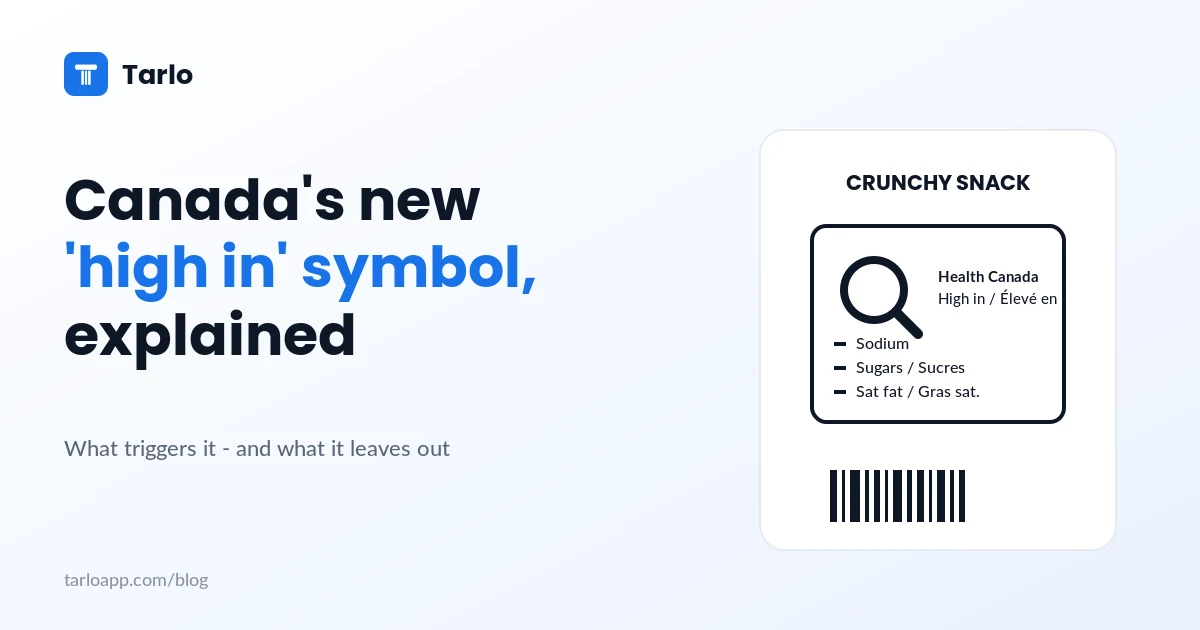
Canada's Front-of-Package 'High In' Symbol, Explained
What the new magnifying-glass symbol on Canadian food means, the exact 'high in' thresholds for sodium, sugars and saturated fat, and which foods are exempt.
Jul 1, 2026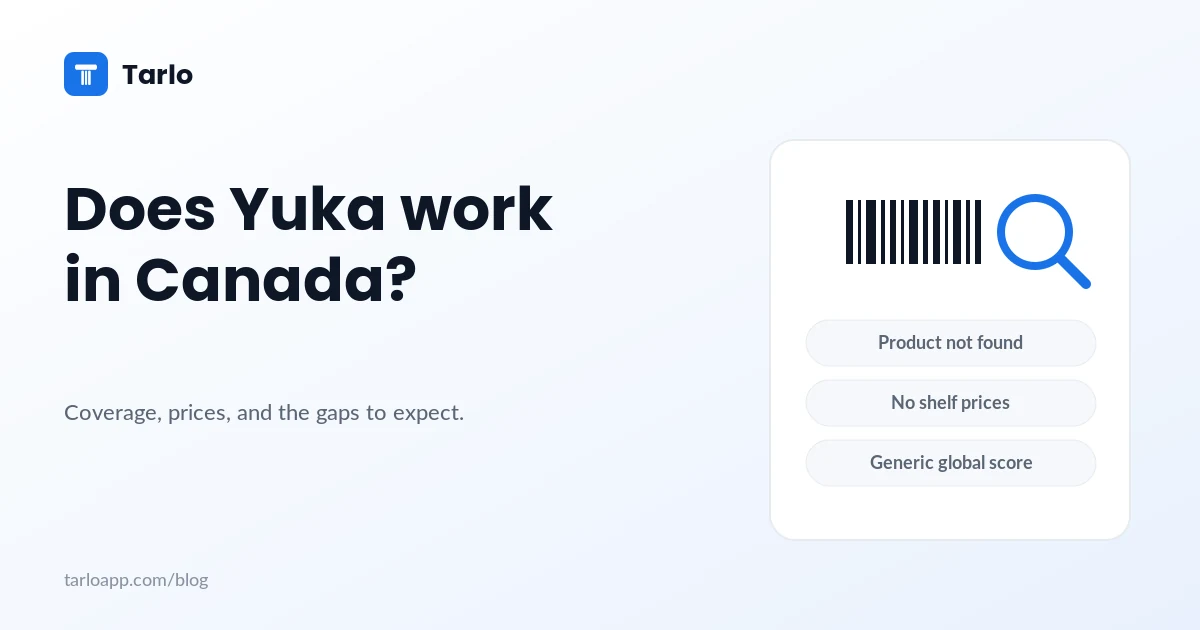
Does Yuka Work in Canada? Coverage, Prices & Gaps
Yuka works in Canada, but with caveats: generic scoring, patchy Canadian product coverage, and no shelf prices. Here's what to expect and the alternative.
Jul 1, 2026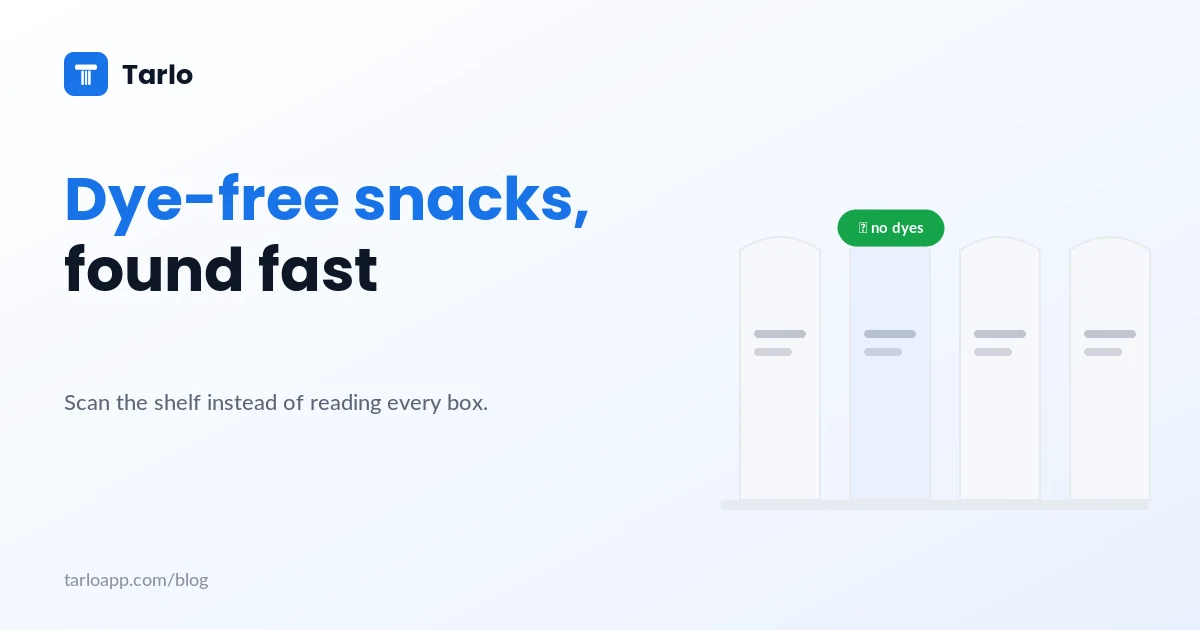
Dye-Free Snacks in Canada: How to Find Them Fast
A practical way to find snacks without synthetic dyes in Canada — which names to watch for on labels, and how to scan a shelf for dye-free picks in seconds.
Jul 1, 2026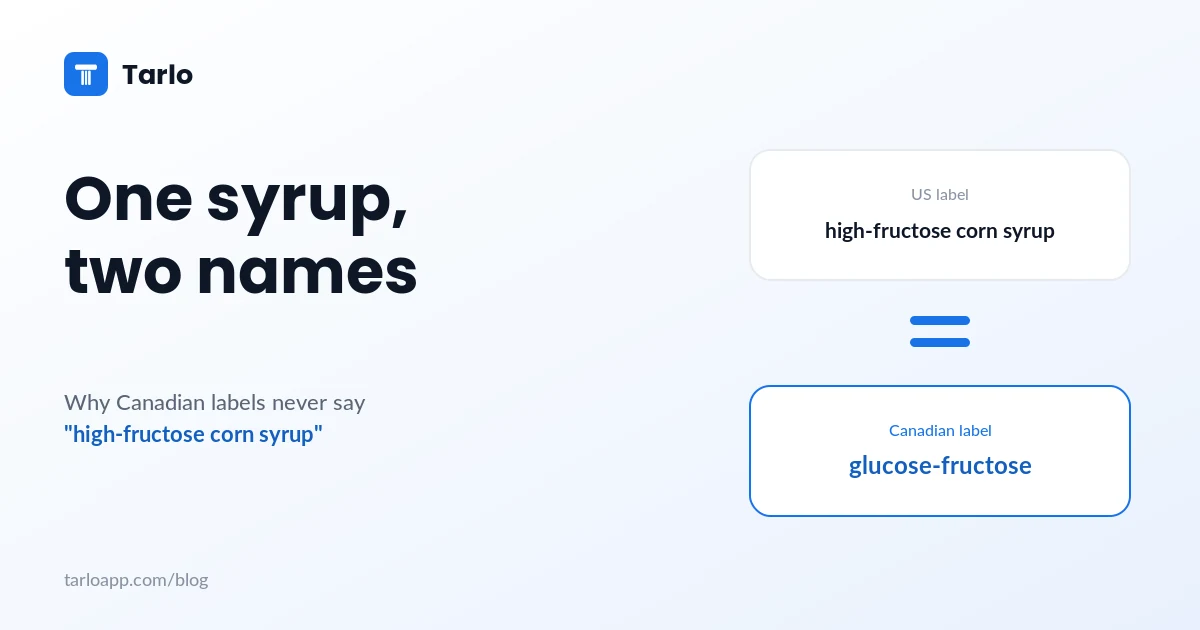
High-Fructose Corn Syrup vs 'Glucose-Fructose' in Canada
Why Canadian labels say 'glucose-fructose' instead of high-fructose corn syrup, whether they're the same thing, and how to spot it on any product.
Jul 1, 2026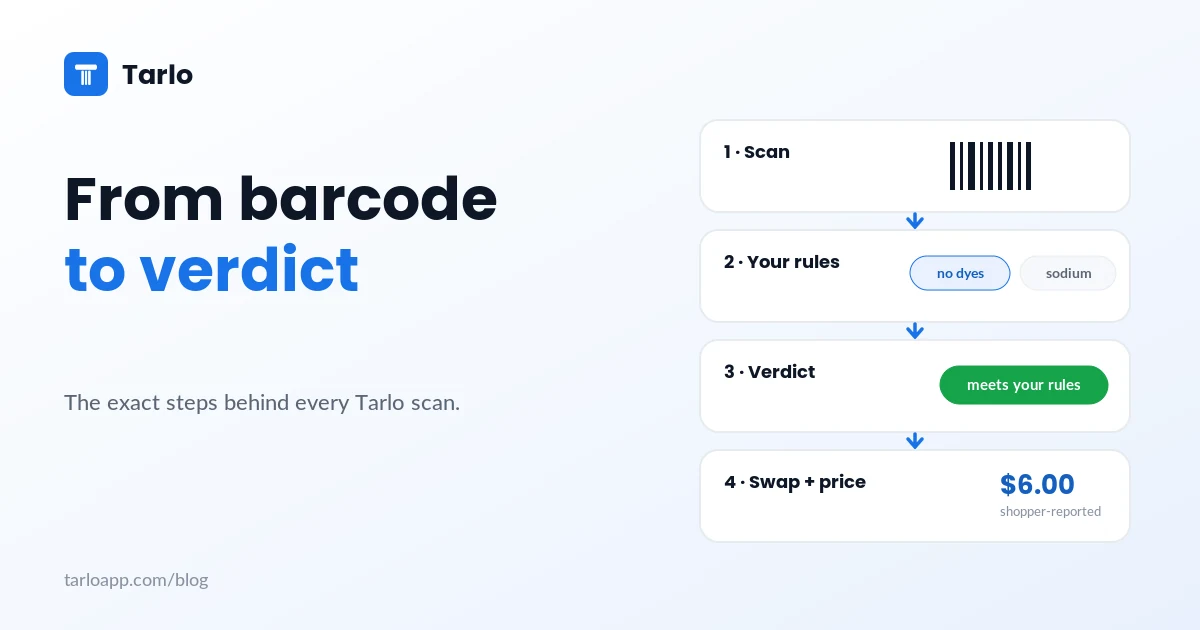
How Tarlo Turns a Barcode Into a Verdict
How Tarlo goes from a scanned barcode to a 'meets your rules' verdict — the data, front-of-package logic, swaps, prices and honest gaps.
Jul 1, 2026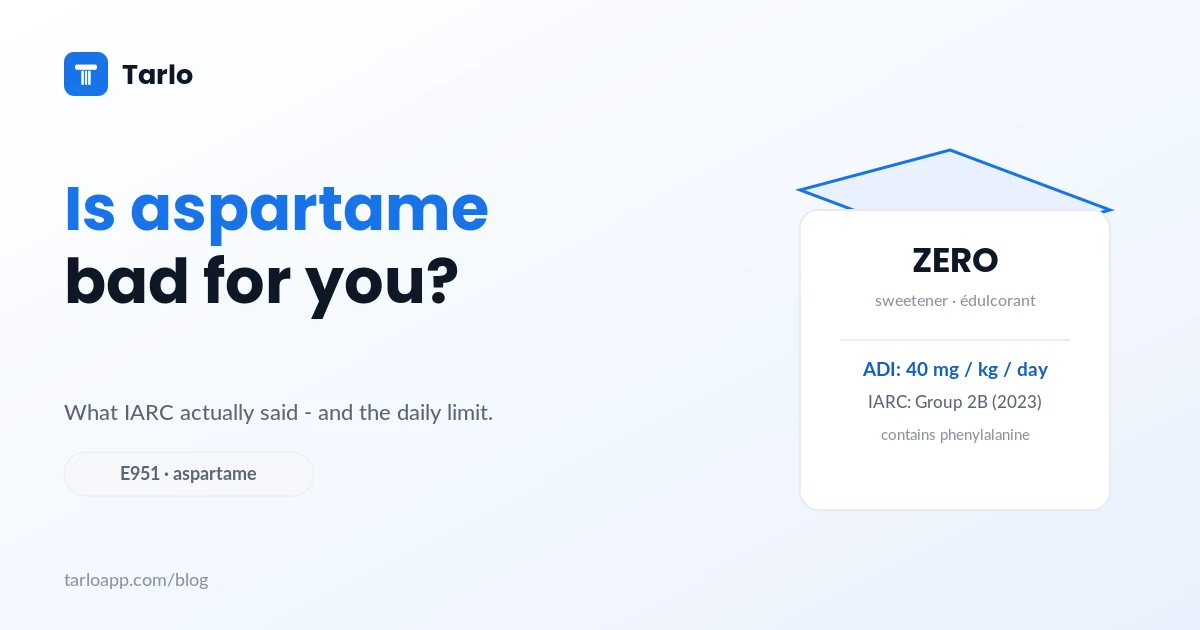
Is Aspartame Bad for You? Health Canada & IARC
What aspartame is, where it appears on Canadian labels, what Health Canada, IARC and the WHO actually said in 2023, and how to avoid it if you prefer.
Jul 1, 2026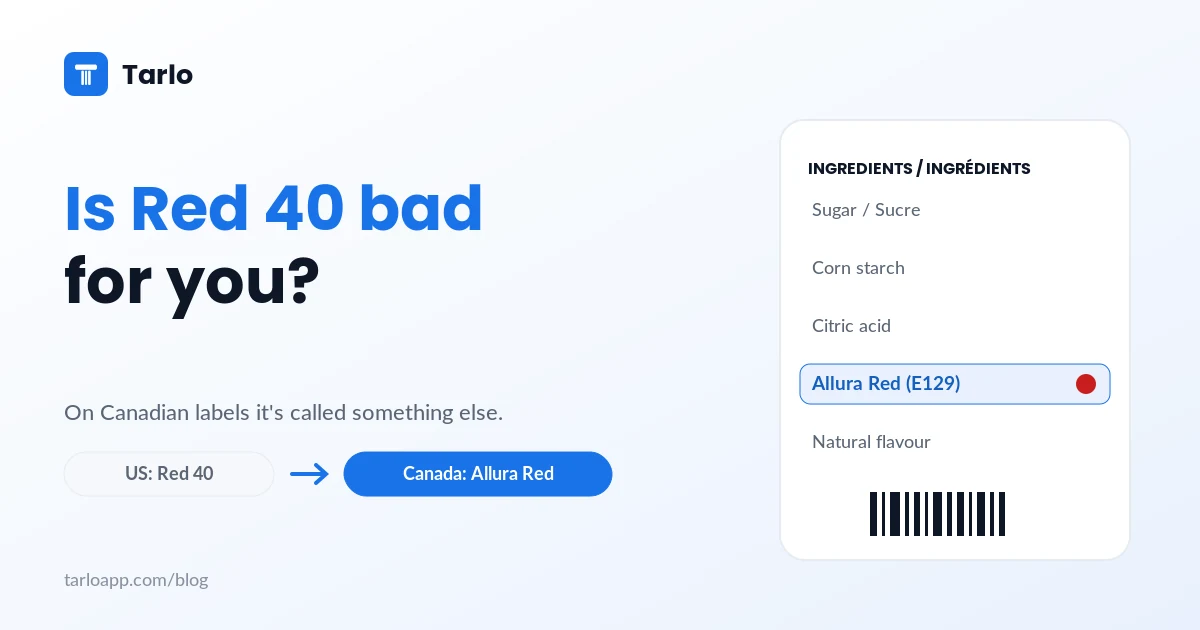
Is Red 40 (Allura Red) Bad for You? A Canadian Label Guide
What Red 40 / Allura Red is, how it appears on Canadian labels, what Health Canada and other regulators say, and how to spot it fast while shopping.
Jul 1, 2026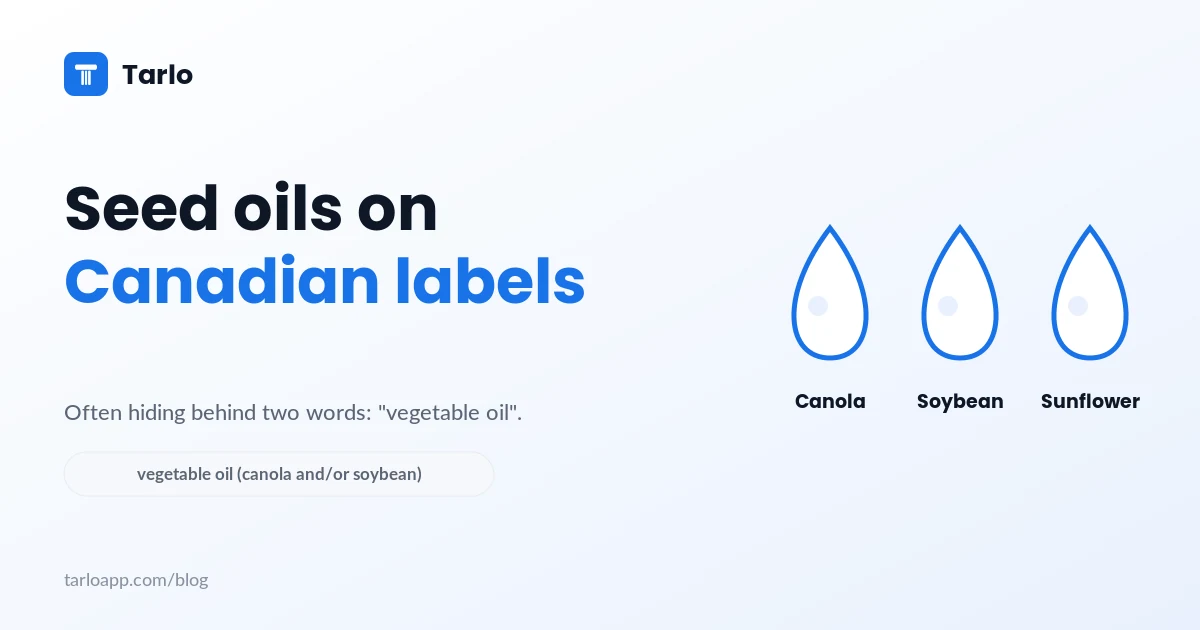
Seed Oils on Canadian Labels: Canola, Soy & Sunflower
What 'seed oils' means, where canola, soybean and sunflower oil hide on Canadian ingredient lists, what the debate is about, and how to avoid them.
Jul 1, 2026
Tarlo vs Yuka: Which Works Better in Canada?
A fair, feature-by-feature comparison of Tarlo and Yuka for Canadian shoppers — approach, data coverage, swaps, shelf prices and cost.
Jul 1, 2026