Cereal Without Synthetic Dyes: A Canadian Aisle Guide
The cereal aisle is where dye-avoiding parents fight their weekly battle: the most kid-marketed boxes are the most likely to carry Allura Red, Tartrazine and friends — and a famous US-vs-Canada formulation quirk means American advice doesn’t transfer cleanly here. Here’s the Canadian lay of the aisle and the fast way through it.
Fast way spelled out: Tarlo’s dyes rule is on by default — scan the box, and a fail names the dye and shows dye-free boxes nearby.
Where dyes live in the cereal aisle
The pattern is mercifully predictable: synthetic colours concentrate in rainbow/fruit-flavoured kids’ cereals, marshmallow-bit cereals, and “party” or seasonal editions. Plain corn, wheat, rice, oat and bran cereals — even heavily sweetened ones — usually get their colour from the grain and toasting, no dyes needed. So the dye question isn’t “cereal or not”; it’s a handful of specific franchises, and their ingredient lists answer instantly: look for Allura Red, Tartrazine, Sunset Yellow FCF, Brilliant Blue FCF or their French forms.
The US-vs-Canada formulation twist
The cereal aisle’s famous plot twist: for years, some major cereals were dyed in the US but naturally coloured in Canada — same brand, same box art, different chemistry (Canadian Froot Loops’ muted palette came from fruit and vegetable concentrates while the US version ran on synthetics). The lessons: never transfer US ingredient advice to a Canadian box (it errs in both directions), formulations change — reformulation is constant, especially with the US phase-out pressure pushing companies toward natural colours continent-wide — and cross-border shopping or imported US boxes reintroduce the US formulation. The Canadian barcode on the shelf in front of you is the only version that matters, which is precisely what a scan checks. (The full cross-border story: why the same food differs in Canada vs the US.)
What dye-free colour looks like
Naturally coloured cereals use fruit and vegetable juice concentrates, annatto, turmeric, paprika extract and spirulina — and the visual tell is honest: softer, earthier colours than the neon synthetics manage. Two footnotes from our dye guide: annatto bothers a small number of people, and “natural colour” answers only the synthetic question. If the box says “no artificial colours,” the dyes rule passes — but keep reading.
The other rules cereal trips
Because a dye-free box isn’t automatically a pass overall: kids’ cereals are prime “high in sugars” territory (the FOP symbol at 15% DV per reference amount is common on this shelf), BHA/BHT historically lived in cereal (and sometimes the bag liner), and granola-style boxes bring seed oils. A scan checks all your rules at once — the dye verdict, the sugar threshold and the preservative check land together, which is the entire argument for rules over eyeballs.
The aisle routine
- Scan the box your kid is holding. If it fails, Tarlo names the trigger — dye, sugars threshold, or both.
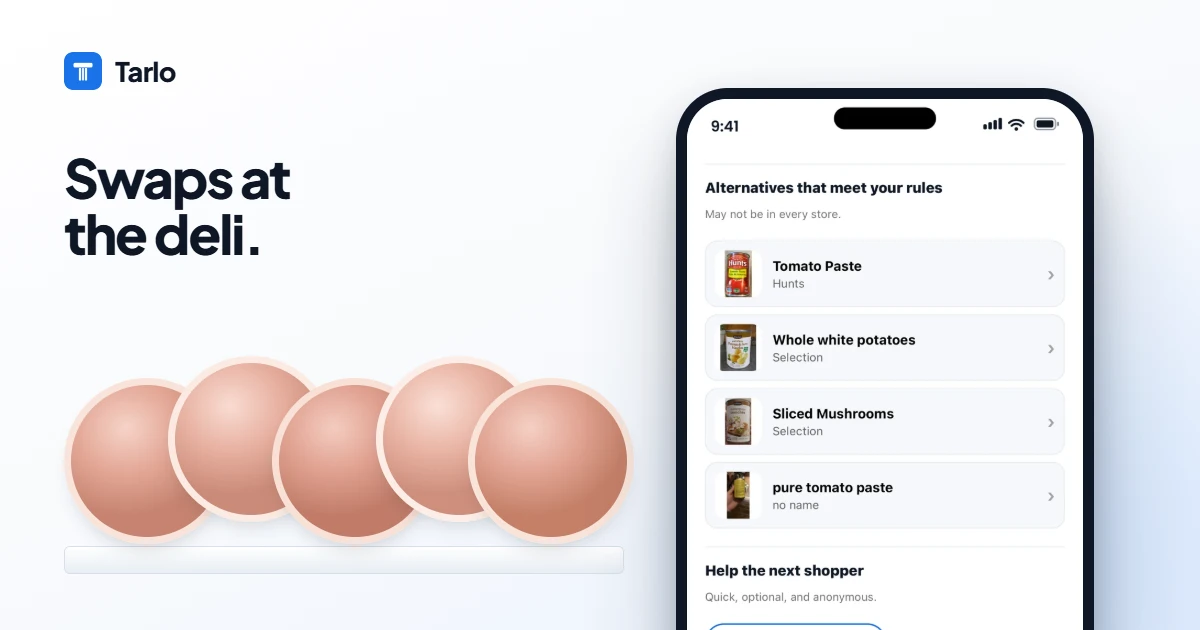
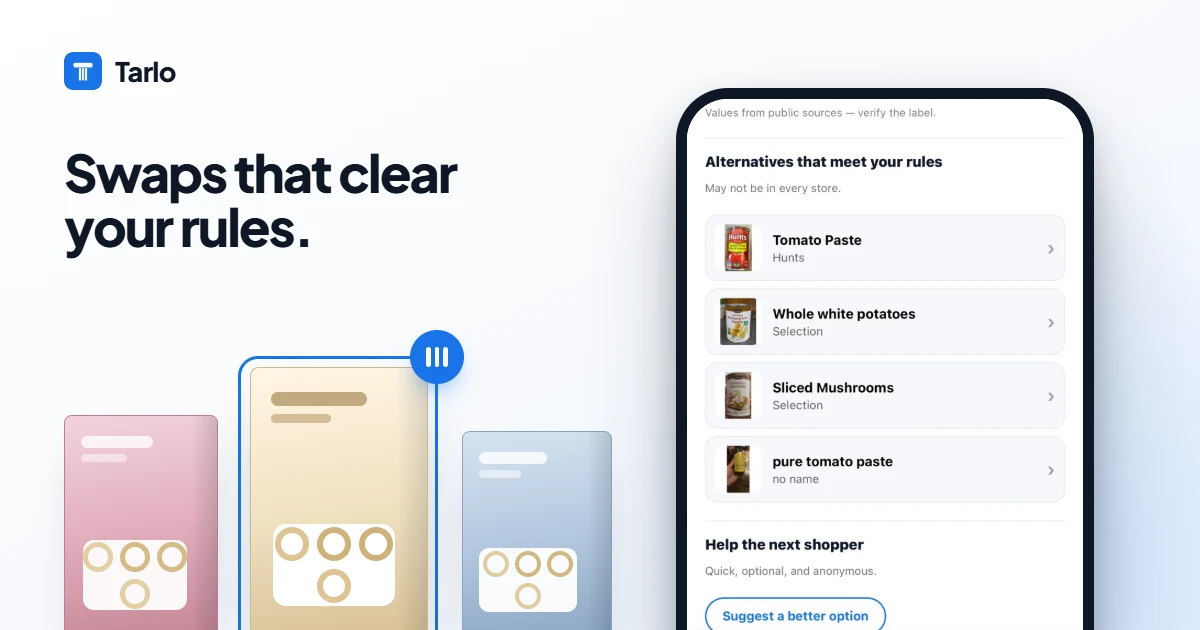
- Check the listed alternatives — same-category boxes that pass your rules, with shopper prices (the dye-free swap is often the store brand at a lower price, a rare win-win).
- Two boxes pass and the difference is sugar? The measured %DV on each verdict settles it.
Frequently asked questions
Are Canadian kids’ cereals still dyed at all?
Some, yes — the natural-colour shift is broad but not universal, and seasonal/novelty editions lag. Hence scanning over assuming.
My kid only accepts the neon version. Ideas?
The naturally coloured twin (where one exists) is the classic bridge — same shape and franchise, softer colours. Several parents report the switch lands better unannounced.
Is the milk-turning-colours thing a dye marker?
Loosely — strong colour bleed into milk usually means heavy added colour of some kind, synthetic or natural. The list is still the arbiter.
Do imported US cereals at Canadian stores follow Canadian rules?
They must be labelled to Canadian requirements to be sold here (bilingual, Canadian names), so the label tells the truth — but the formulation may be the US one. Scan the specific barcode.
Sources
- Health Canada — food colour naming requirements: canada.ca
- CBC Marketplace and industry reporting on US-vs-Canada cereal colour formulations.
Tarlo reflects the rules you turn on and is for general information only — it is not medical or dietary advice. Regulatory details are Canadian and current as of the date above; always verify the product's physical label.