Why the Same Food Is Different in Canada vs the US
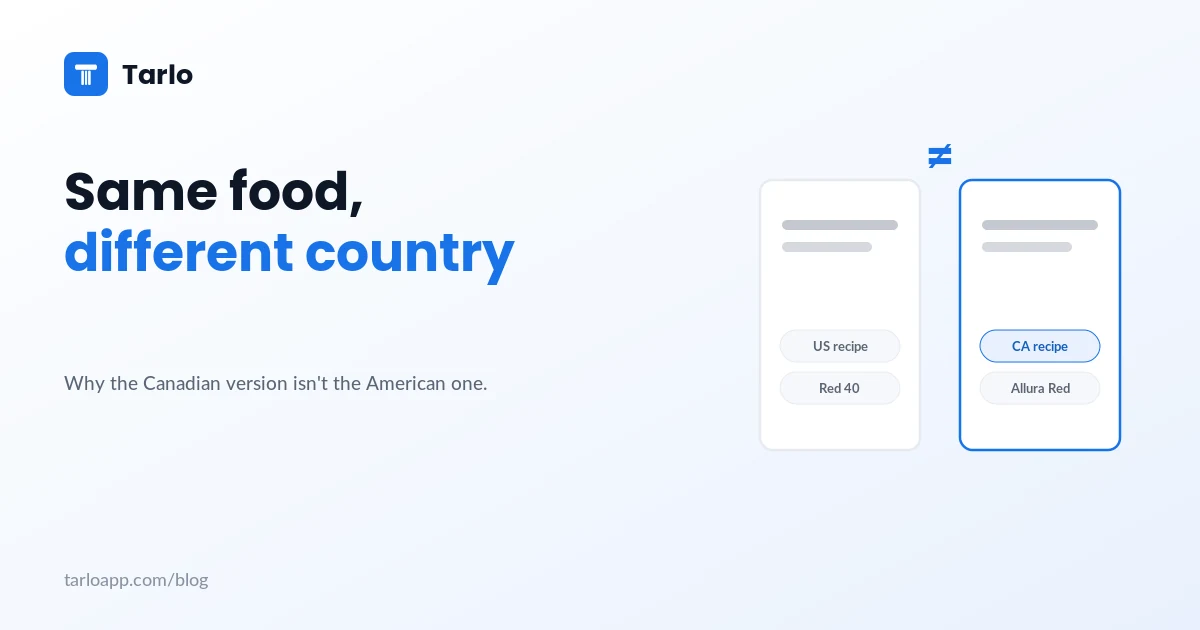
Anyone who shops on both sides of the border eventually notices it: the same brand, in nearly the same packaging, doesn’t quite match. Different colour intensity, different sweetness, different ingredient list, different label entirely. It isn’t your imagination — cross-border formulation differences are real, legal, and systematic. Here are the six actual mechanisms, with the famous examples.
The practical tool for this whole article: the Canadian barcode tells the Canadian truth — Tarlo reads it in one scan.
1. Different permitted ingredients
The bluntest mechanism: some ingredients are legal in one country and not the other, so recipes must differ. Canadian flour is bromate-free by law while US bakers may still use potassium bromate federally; Canadian dairy is rBST-free because the hormone was never approved here; and the US has revoked Red 3 while Canada permits it. The full two-way scorecard is in banned in the US, legal in Canada — and the reverse.
2. The dye divergence
The most visible difference. Historically, several cereals and candies ran synthetic dyes in the US and natural colours in Canada (or vice versa) — the muted Canadian Froot Loops palette was a running joke with a real cause. The gap is now widening again in the other direction as the US phase-out pushes American recipes toward vegetable-juice colours while Canadian permissions stand. Same franchise, different chemistry — the cereal aisle guide covers shopping it.
3. Same ingredient, different name
Sometimes the food matches and the words don’t. The canonical example: US “high-fructose corn syrup” is Canadian “glucose-fructose” — same syrup, different legal name, endless shopper confusion. Likewise US “Red 40” is Canadian “Allura Red,” “Yellow 5” is “Tartrazine.” Half of cross-border label advice fails on vocabulary alone — one reason Tarlo matches additive codes, which don’t care what a country calls the molecule.
4. Different base commodities
Quieter but real: sweetener economics differ (US corn subsidies make HFCS the default there; Canadian recipes more often use sugar), dairy standards differ (Canadian standards for milk components in cheese), and wheat blends differ. This is why pop, chocolate and bread are perennial “tastes different over the border” candidates even when brands intend identical products.
5. Different label law
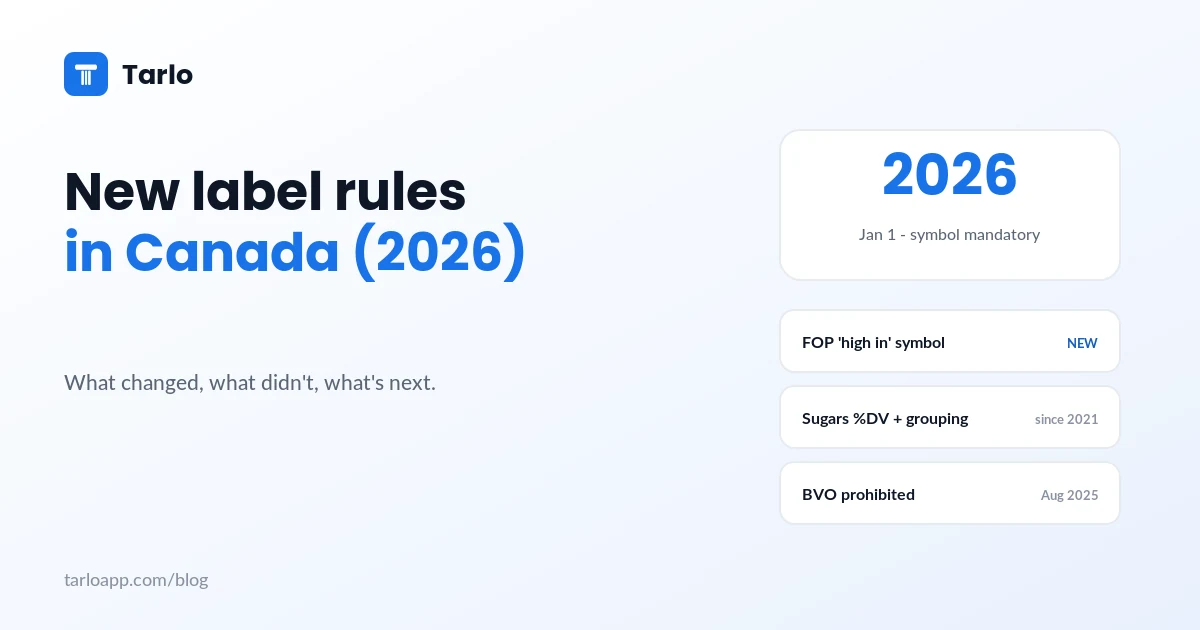
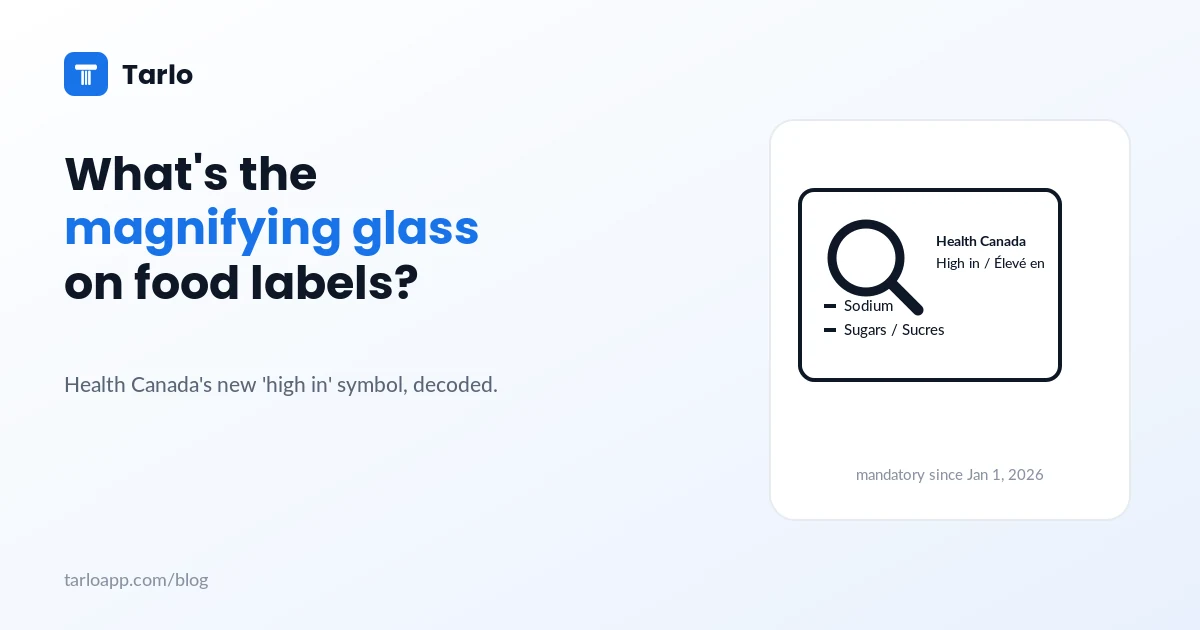
Even identical recipes read differently. Canadian packages are bilingual by law, carry the modernized Nutrition Facts table with sugars %DV and grouped sugar ingredients, and since 2026 the front-of-package “high in” symbol — which has no US equivalent yet. An American and Canadian shopper holding the “same” product are literally given different information about it.
6. Taste tuning
Finally, deliberate market preference: multinationals tune sweetness, salt and flavour intensity by market research region. No regulation involved — just the reason your US-bought favourite sometimes tastes “off” at home. (Recipes also drift within one market — that’s skimpflation.)
How to know what you’re actually buying
Cross-border advice — American TikToks, US ingredient lists, imported assumptions — reliably fails on mechanisms 1–3. The only ground truth for the package in your hand is its own Canadian label, and the fastest read of that label is a scan: Tarlo checks the actual bilingual ingredient list and the Canadian thresholds against your rules, so it doesn’t matter what the American twin contains.
Frequently asked questions
Is the Canadian version always “cleaner”?
No — it cuts both ways (Canada permits Red 3 and titanium dioxide; the US doesn’t/won’t). Neither country wins universally; the scorecard shows the split.
Why does US pop taste sweeter?
Usually formulation tuning plus sweetener base (HFCS vs sugar in some products) — mechanism 4 and 6 together. Specific brands vary; the ingredient list tells each story.
Are cross-border groceries labelled for Canada?
To be legally sold here, yes — bilingual, Canadian names, Canadian nutrition table. Grey-market imports at specialty stores sometimes aren’t; treat unlabelled imports as unverified.
Can Tarlo scan a US barcode?
It can look it up, but the data reflects the US formulation. For the Canadian truth, scan the Canadian product — the differences in this article are exactly why.
Sources
Tarlo reflects the rules you turn on and is for general information only — it is not medical or dietary advice. Regulatory details are Canadian and current as of the date above; always verify the product's physical label.